For decades, removing rust, paint, and oxide layers from metal surfaces meant choosing between sandblasting, chemical stripping, or manual grinding. Each method works — but each comes with disposal costs, surface damage, and significant downtime.
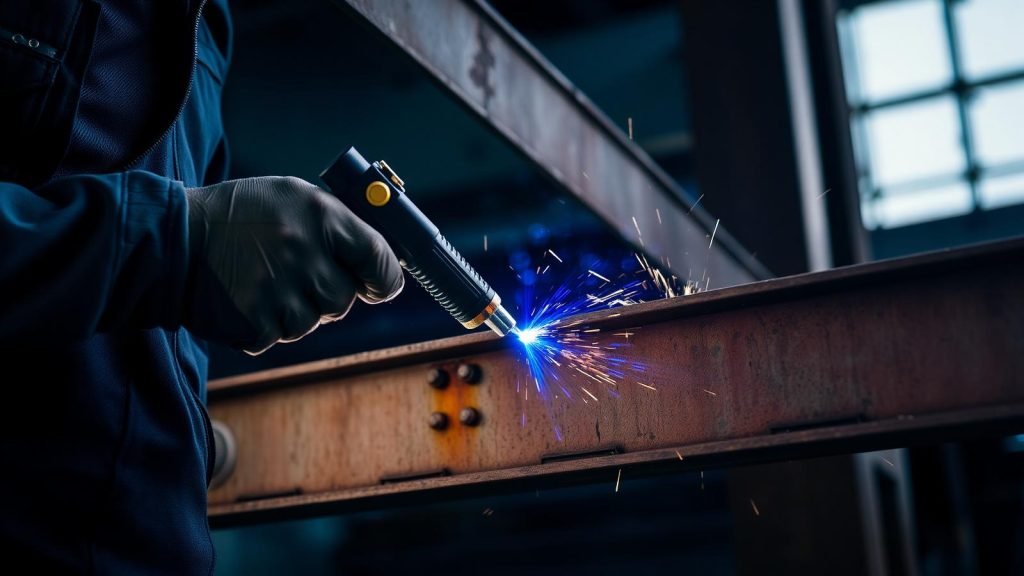
Pulse laser cleaning changes the equation. A 300W or 500W system uses precisely-tuned light pulses to vaporise contaminants while leaving the base metal untouched. The process is contact-free, requires no consumables, and produces no chemical waste.
In practical terms: a workshop that previously needed two days to prepare a steel beam for re-welding can now do it in under three hours. Operating costs drop because there is no abrasive media to replenish, and worker exposure to silica dust or solvent fumes goes to zero.
The capital outlay is real — but the payback period for our 500W units typically lands between 14 and 22 months for shops processing more than 40 hours of surface prep weekly.